
How to Remove Pet Hair and Odors from Every Room
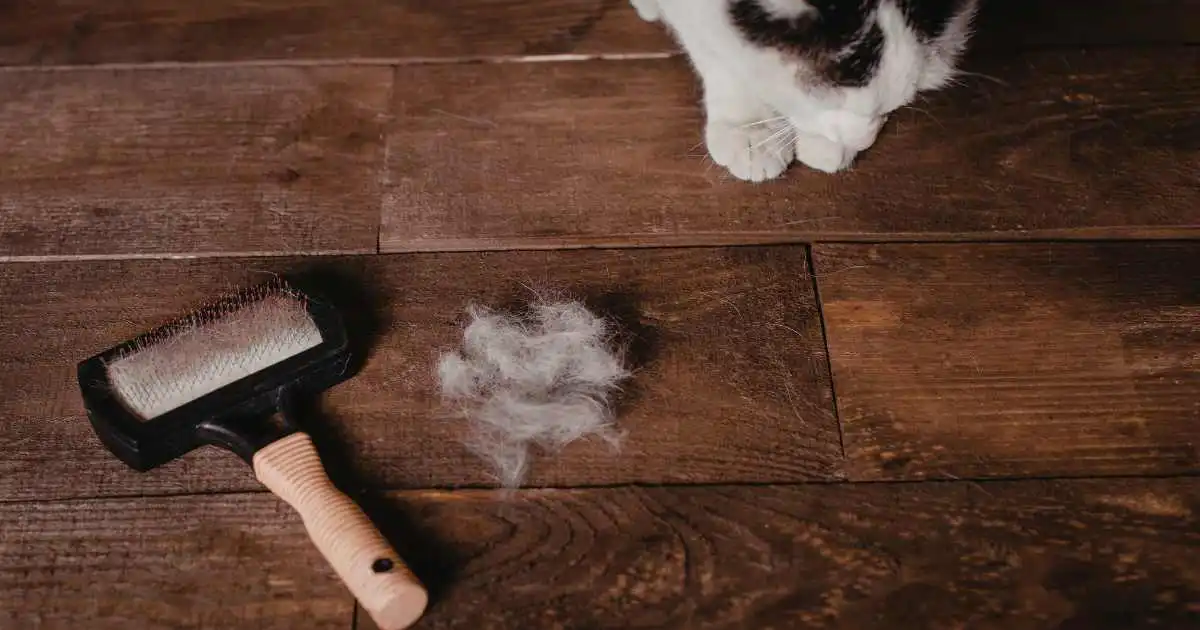
Living with pets brings comfort, companionship, and a lot of joy. It also brings fur, dander, and smells that seem to show up everywhere, no matter how often you clean. Pet hair does not stay in one place, and odors do not either. They move through the home quietly and settle into spaces that are easy to overlook.
For busy households, this can make a clean home feel just out of reach. The key is understanding where pet hair and odors build up and why each room needs a slightly different approach.
Why pet hair and odors are so hard to control
Pet hair is light and prone to static. It clings to fabric, drifts into corners, and hides along edges. Odors behave the same way, absorbing into soft materials and lingering even after surfaces look clean.
Vacuuming helps, but it rarely reaches the places where buildup starts. Without deeper attention, pet hair and smells slowly return and spread from room to room.
Living rooms are the primary collection zone
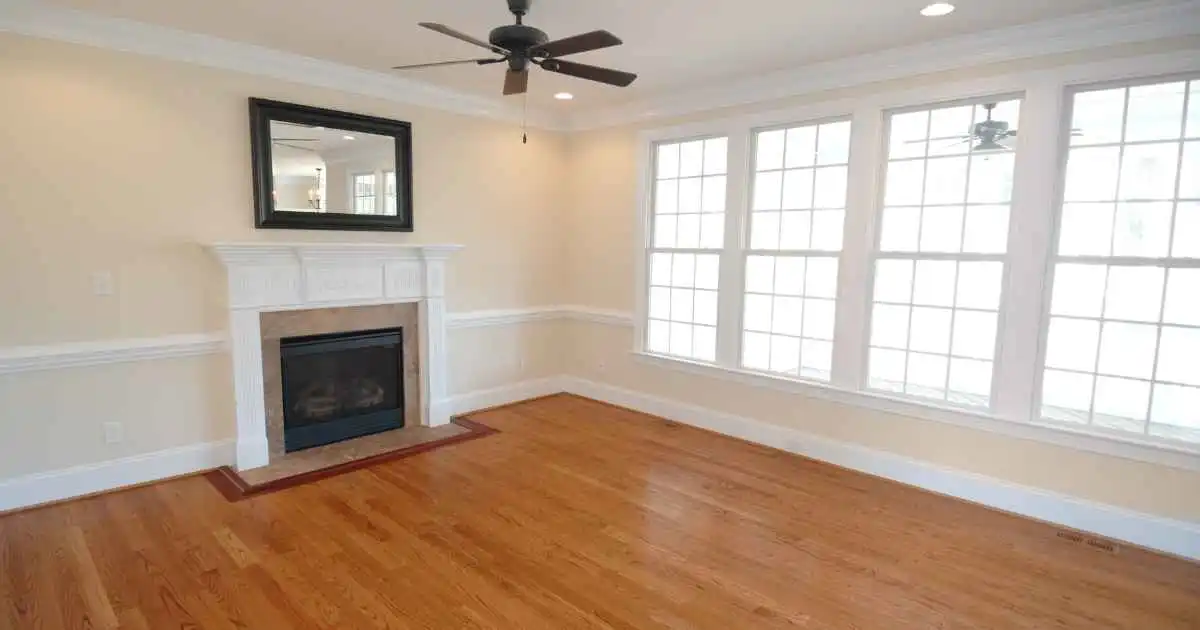
Living rooms tend to collect the most pet hair. Pets nap on couches, rub against furniture, and move freely through the space.
Hair often settles under cushions, along baseboards, and inside rugs. Odors sink into upholstered furniture and throw blankets. Surface cleaning removes what you can see, but fabric and edges are where problems usually begin.
Bedrooms hold onto odors longer than expected
Even when pets are not allowed on beds, hair still finds its way into bedrooms through clothing, blankets, and airflow.
Mattress seams, bed skirts, curtains, and soft headboards quietly collect both hair and odors. Regular laundry helps, but it does not fully reset the space without deeper cleaning of surrounding surfaces.
Kitchens and dining areas carry stronger smells
Pet hair is less noticeable in kitchens, but odors can become more concentrated. Feeding areas, trash cans, and floor residue all contribute.
Smells tend to build up near cabinet bases, floor corners, and grout lines. In open layouts, these odors can spread quickly into nearby rooms.
Bathrooms trap odors through moisture
Bathrooms may not collect much pet hair, but moisture allows odors to linger longer. Bath mats, towels, and floor edges absorb smells over time.
Without consistent deep cleaning, bathrooms can hold onto pet related odors even when they appear clean.
Entryways and hallways spread hair throughout the home
Pet hair moves through entryways and hallways more than any other spaces. These areas act as connectors, carrying hair from room to room.
Corners, stair edges, and floor transitions are common buildup spots. Because they are passed through quickly, they are often skipped during routine cleaning.
Why professional cleaning helps pet owners more
Homes with pets need more than basic upkeep. Professional cleaning focuses on buildup zones that are easy to miss during day to day cleaning.
For pet owners, this means fewer lingering smells, less visible hair between cleanings, and a home that feels consistently comfortable instead of temporarily tidy.
This is especially true when a thorough deep cleaning service is used as a reset, allowing routine cleaning to be more effective afterward.
A cleaner home that feels easier to maintain
Pet hair and odors do not have to control your home. With the right cleaning approach and occasional professional support, homes can stay fresh without constant effort.
For busy families and devoted pet owners, that difference is felt every single day.

Share this article
Related Posts



Follow us
A quick overview of the topics covered in this article.
- Why pet hair and odors are so hard to control
- Living rooms are the primary collection zone
- Bedrooms hold onto odors longer than expected
- Kitchens and dining areas carry stronger smells
- Bathrooms trap odors through moisture
- Entryways and hallways spread hair throughout the home
- Why professional cleaning helps pet owners more
- A cleaner home that feels easier to maintain